
Bring Medieval History to Life: A Teacher’s Guide to Feasts, Trenchers, and Sugar Sculptures
If you are covering the Middle Ages or Tudor period with your primary class, nothing gets pupils hooked faster than talking about food. Beyond being a fun topic, looking at medieval banquets is a fantastic gateway into teaching social hierarchy, everyday life, and historical empathy.
Based on insights from historical author Ally Sherrick, here is a complete breakdown of how medieval banquets worked, along with classroom hooks and a ready-to-go creative writing activity for Key Stage 2.
1. The Room: “Dressed to Impress”
To a medieval lord or lady, a banquet was far more than a meal—it was a bold display of power and wealth.
- The Setup: Hall tables were temporary trestle tables brought out specifically for the occasion. The host sat at the top table, which was often raised on a wooden platform called a dais so they could look down on everyone else.
- Showing Off the Plate: Wealthy hosts set up a dresser or cupboard at the side of the room, packed with polished gold and pewter jugs, bowls, and goblets to show off their wealth.
- Handwashing Culture: Eating was done mostly with fingers and knives, so servants offered water and hand cloths before guests sat down to eat.
Classroom Discussion Starter: Why do you think the Lord sat on a high platform at the front of the room? How does the seating arrangement show who held the power?
2. The Social Order at the Table
A banquet reflected medieval society in miniature, clearly dividing people into Commoners, Clergy, and Nobility.
The Lord, his Lady, and the most important VIPs sat at the top table on the raised platform. They received the royal treatment: a choice of up to six dishes per course, a second course, and exclusive sweetmeats and desserts.
Lesser guests were seated further down the hall according to their rank. These guests had far fewer privileges, usually receiving only two dish choices per course, with no second course and no dessert.
No one touched a bite of food until grace was said and the Lord performed a special ritual: taking a pinch of salt from a ceremonial salt cellar and sprinkling it across the table to signal the start of the feast.
3. Edible Plates and Honeyed Ale
Food in a noble household looked very different from what pupils might expect today:
- Trenchers: Instead of ceramic plates, guests ate off trenchers. These were thick, stale loaves of bread with the center scooped out, though wooden boards were sometimes used. The meat juices and gravy soaked into the bread, and at the end of the night, the leftover soaked trenchers were gathered up and given to the poor at the gates.
- What They Drank: Everyone drank ale, which was often brewed with honey, herbs, and spices, or wine. Wine was almost always watered down, and only the Lord had the privilege of deciding how strong his drink would be.
4. Theater at the Table: Mummers and “Subtleties”
A medieval banquet was full-scale entertainment, designed to keep guests amazed throughout the evening:
- Mummers and Disguisers: Actors called mummers performed plays in elaborate costumes. The Lord might also hire disguisers—masked performers who slipped into the hall, danced or performed, and vanished without ever revealing their true identities.
- Subtleties: These were the ultimate medieval showstopper. A subtlety was a giant, elaborate centerpiece made from sculpted sugar or pastry. They were shaped like birds, mythical beasts, or scenes from famous stories, designed purely to make guests marvel.
5. Post-Lesson Literacy Challenge: The Poisoned Feast
Looking for a cross-curricular writing task to wrap up your history unit? Use the banquet setting for a suspenseful creative writing lesson.
Writing Prompt: “Danger at the Grand Banquet”
Have your pupils write a story set during a medieval feast using these four structural steps:
- Setting the Scene: Describe the hall, the trestle tables, and the smell of the food, such as a pie filled with three meats, currants, and spices, or a rose-petal pudding.
- The Guest List: Identify who is sitting at the top table versus the lower tables to show you understand the social hierarchy.
- The Plot Twist: Introduce a mystery—someone is attempting to poison the Lord or Lady!
- The Suspect: Make one of the masked disguisers or serving staff look suspicious.
Recommended Reading Companion:Catherine, Called Birdy by Karen Cushman makes a brilliant class read or source for excerpt analysis, offering authentic and funny descriptions of medieval manor life and grand feasts.
About the author
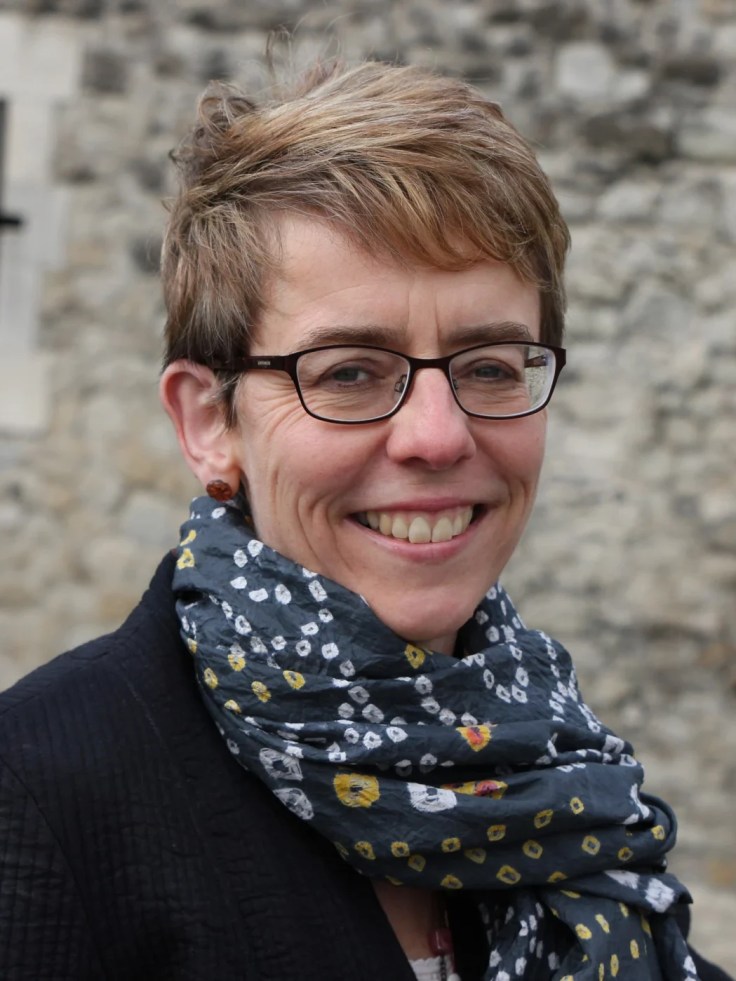
Ally is the award-winning author of stories full of history, mystery and adventure.
Black Powder, her debut novel about a boy caught up in the Gunpowder Plot, won the 2017 Historical Association’s Young Quills Award. This was followed by The Buried Crown, a wartime tale with a whiff of Anglo-Saxon myth and magic (2018), a Tudor-set adventure, The Queen’s Fool (2021) and her Roman London-set mystery thriller, Vita and the Gladiator (2023) – runner-up in the Young Quills Awards 2024. She has also done a retelling for young readers of her favourite book of all time – Charlotte Bronte’s Jane Eyre.
Her new book, Rebel Heart, a rip-roaring adventure story set during the English Civil Wars.
In her spare time, Ally loves exploring ruined castles and decaying mansions and imagining what it must have been like to live in them without electricity and hot and cold running water – although she’s quite glad she doesn’t have to herself! She is married and lives with her husband and assorted garden wildlife in deepest, darkest Surrey.
Website: www.allysherrick.com
Instagram: @ally_sherrick
Facebook: @ally.sherrick1

